The Influence of Emotion on Game Selection
Emotions play a significant role in decision-making, especially in environments as stimulating as casinos. Players often choose games based on how they feel at that moment. For instance, someone who is feeling optimistic might gravitate toward high-risk games like roulette or blackjack, seeking the thrill of potential big wins. Conversely, a player experiencing stress may prefer lower-stakes games, such as slots or video poker, where the pace is slower and the risk is minimized. Many players are also exploring alternatives, such as casinos not on gamstop, to find the best options available.
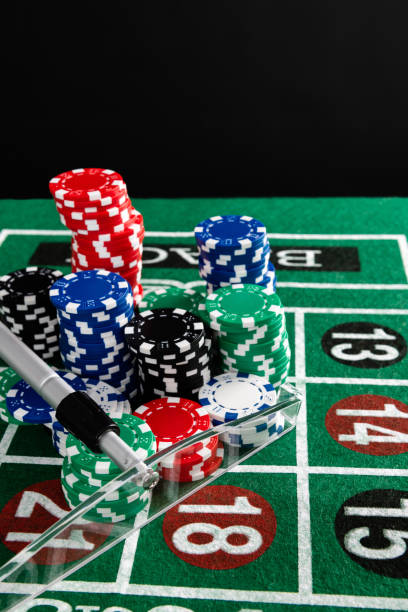
The ambiance of a casino can amplify these emotional responses. Bright lights, sounds of winning, and the overall excitement contribute to a heightened emotional state, influencing players to make impulsive game choices. Understanding this emotional connection can help casinos tailor their environments to maximize player engagement.
The Role of Cognitive Biases
Cognitive biases significantly affect how players perceive their chances of winning and thus their game choices. The gambler’s fallacy, for example, leads individuals to believe that previous outcomes can influence future results. This might cause players to choose games based on past experiences, like thinking a slot machine is “due” for a payout after a losing streak.
Furthermore, players may exhibit confirmation bias, where they only remember wins and forget losses, ultimately affecting their game selection. These biases can create a false perception of control, making players more likely to invest time and money into games where they feel they have an edge, even when the odds are stacked against them.
The Impact of Personal Preferences and Social Influences
Players’ personal preferences play a crucial role in their game choices. Factors such as familiarity with a game, comfort level, and previous experiences can guide their decisions. For example, a player who has had success with a particular type of slot machine may be more inclined to return to that game, reinforcing their choice through positive past experiences.
Social influences also weigh heavily on game selection. The presence of friends or peers can lead players to choose games that enhance their social experience. Whether it’s participating in a group game or choosing a game that a companion enjoys, the social aspect of gambling can significantly alter individual choices, demonstrating the communal nature of casino gaming.
The Appeal of Game Mechanics and Features
The mechanics of casino games, including their rules, payout structures, and bonus features, are designed to attract players. Many individuals are drawn to games that offer straightforward rules and quick rewards. Games with unique themes, bonus rounds, and interactive features are often favored as they keep players engaged and entertained.
Moreover, the concept of near misses in games like slots can trigger psychological rewards that encourage continued play. When players come close to winning but ultimately lose, it can create a sense of urgency to try again, making them more likely to return to those games that offer such experiences. This cycle of attraction based on game mechanics can ultimately drive players to make specific choices within the vast array of options available in casinos.

About this Website
This website aims to provide insightful content about the intricacies of gambling behavior and choices. By exploring the psychological factors that influence players, we seek to educate readers on the dynamics of casino gaming and enhance their understanding of why certain games appeal to them.
Through in-depth articles, we strive to create a resource for both casual gamblers and industry professionals, fostering a greater awareness of the psychological elements at play in the casino environment. Our commitment is to empower readers with knowledge that can enrich their gaming experiences while promoting responsible gaming practices.
