Exploring the evolution of gambling through the ages
The Origins of Gambling
The history of gambling can be traced back to ancient civilizations, where it began as a form of entertainment and social interaction. Evidence from archaeological sites reveals that games of chance using dice date back to around 3000 BCE in places such as Mesopotamia and ancient China. These early forms of gambling often involved betting on the outcomes of events, reflecting the human desire for risk and reward. For an accessible way to immerse yourself in contemporary betting, Click here to explore the latest options.

As societies evolved, so did gambling practices. The ancient Greeks and Romans embraced various forms of betting, with dice games and betting on gladiatorial contests becoming popular. This period laid the groundwork for the more organized gambling activities that would develop in the centuries to come, indicating that the allure of chance has always been a part of human culture.
The Middle Ages and Gambling
The Middle Ages witnessed a shift in gambling practices, influenced heavily by cultural and religious attitudes. While certain forms of gambling were frowned upon by the Church, clandestine games flourished. The introduction of card games in the 14th century marked a significant development, as these games began to spread across Europe, leading to the establishment of more formal gambling venues. Players consistently looked for tips for managing a gambling budget, which became essential during these times.
This era also saw the emergence of gambling laws, with various regions trying to regulate the industry. Despite the attempts to control it, gambling continued to thrive, reflecting its deep-rooted presence in society. The interplay of legality and morality shaped the landscape of gambling, setting the stage for future developments in the sector.
The Rise of Modern Gambling
The 17th and 18th centuries brought about significant transformations in gambling, particularly with the establishment of state-sponsored lotteries and the rise of casinos. The first official casino opened in Venice in 1638, introducing a new era of structured gambling environments. As these establishments became more widespread, they attracted a diverse clientele, showcasing gambling as both a pastime and a status symbol.
During this period, various games such as baccarat and roulette gained popularity, helping to solidify casino culture. The concept of wagering became more sophisticated, leading to the development of betting systems and strategies that appealed to both casual players and serious gamblers. This evolution laid the foundation for the modern gambling industry we recognize today.
The Impact of Technology on Gambling
The late 20th century marked a seismic shift in gambling due to technological advancements. The rise of the internet in the 1990s revolutionized the industry, giving birth to online casinos and betting platforms that allowed players to gamble from the comfort of their homes. This shift democratized gambling, making it accessible to a wider audience and changing the dynamics of how games were played and wagered.
Mobile technology further propelled this evolution, leading to the creation of gambling apps that offered instant access to games and betting options. Today, players can engage in a variety of gambling activities on their smartphones, transforming the way gambling is experienced and enjoyed across the globe.
Exploring Today’s Gambling Landscape
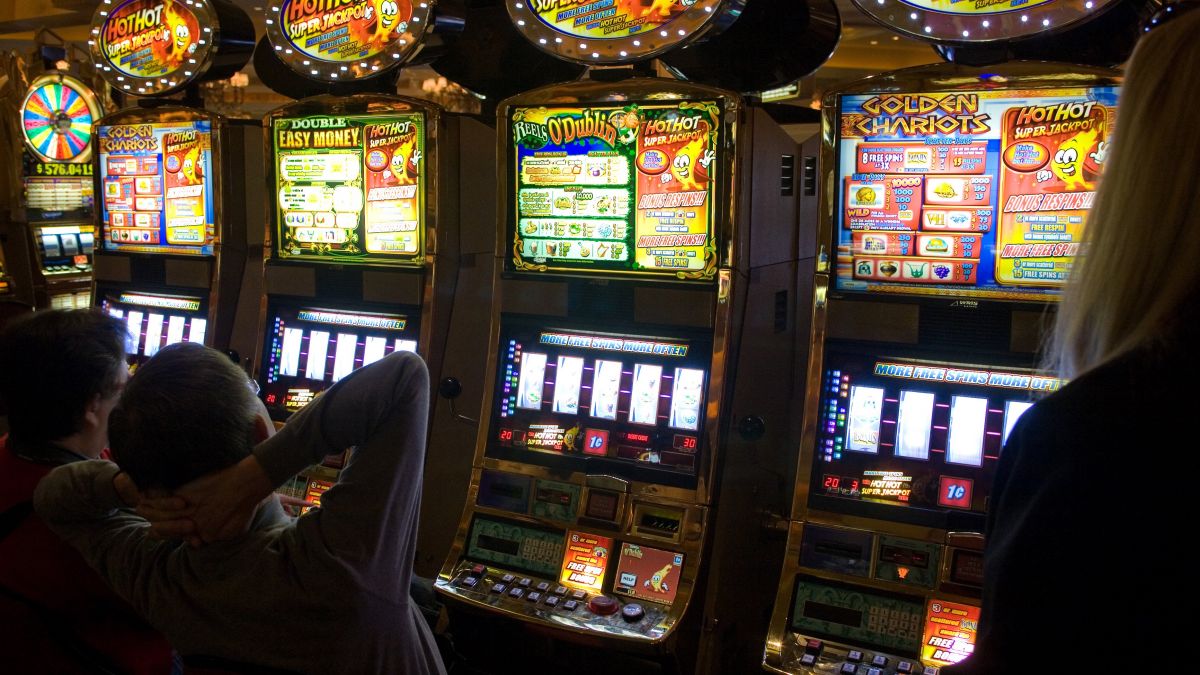
The contemporary gambling landscape is diverse and dynamic, with a multitude of platforms and games available to players. From traditional casinos to innovative online environments, the choices are seemingly endless. Regulatory frameworks continue to evolve in response to the growing popularity of gambling, ensuring player safety and fair play in a rapidly changing market.
As technology continues to advance, the future of gambling looks promising, with developments such as virtual reality and blockchain offering new avenues for growth and engagement. Understanding this ongoing evolution is crucial for anyone interested in the gambling industry, whether as a player or an observer.
